3D Cute Backgrounds: Elevate Your Illustrator Designs
In the fast-paced world of digital content, flat designs often struggle to capture attention. Whether you are crafting a social media campaign, designing product packaging, or building a brand identity, depth and dimension are your best friends. This is where the power of 3D Cute Backgrounds truly shines. These aren't just generic textures; they are carefully crafted vector environments designed to add a playful yet professional spark to your work. If you find your designs are blending into the noise, injecting a sense of three-dimensional charm can be the exact strategy you need to stand out.
The Visual Language of 3D Cute Backgrounds
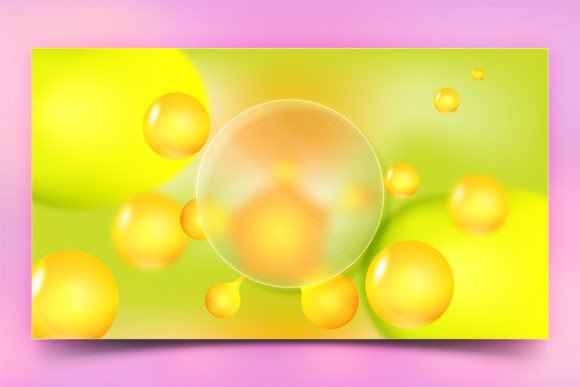
Understanding the visual personality of a design asset is crucial before integrating it into your workflow. The 3D Cute Backgrounds set offers a distinct aesthetic that balances modernity with whimsy. Visually, these backgrounds utilize soft shadows, rounded geometric shapes, and vibrant color palettes to create a sense of depth without overwhelming the foreground content. The style leans heavily into "Neo-Morphism" and abstract 3D trends, featuring floating elements that seem to pop off the screen.
Unlike harsh, photorealistic 3D renders that can sometimes feel cold or industrial, these vectors possess a friendly, approachable personality. They are designed to be "cute" in the sense of being visually pleasing and soft, making them ideal for brands that want to appear human and relatable. The overall appeal lies in their versatility; they provide a rich backdrop that adds vitality to a design while maintaining enough neutrality to support complex typography and imagery. This style of modern typography support is essential for creating cohesive brand identity materials.
Practical Applications: Where Design Meets Strategy
Knowing a design asset looks good is one thing; knowing how to use it effectively is another. These backgrounds are not limited to a single niche. Their adaptability makes them a valuable addition to the toolkit of designers, entrepreneurs, and content creators alike. Here is how you can leverage them across various domains:
- Digital Marketing & Social Media: In the realm of social media graphics, stopping the scroll is the primary goal. The vibrant depth of 3D backgrounds makes Instagram posts, Facebook covers, and YouTube thumbnails pop. They provide an excellent stage for overlaying text in your logo design or promotional announcements.
- Web Design & UI: When applied to web design, these backgrounds can transform landing pages. Using them in hero sections or feature cards adds a layer of polish and professionalism that static images often lack.
- Publishing & Editorial: For editorial design, such as magazine covers, e-book layouts, or blog headers, these vectors create a focal point. They guide the reader's eye and establish the mood of the content immediately.
- Branding & Packaging: In packaging design, a 3D cute background can differentiate a product on the shelf. It suggests a premium, thoughtful approach to the product presentation, which influences consumer perception.
For small business owners and hobbyists, the value extends to personal projects like digital invitations, scrapbooking, or crafting unique merchandise. The ability to adapt the text and elements means you are not just buying a static image; you are acquiring a flexible framework for creativity.
Design Mechanics: Hierarchy, Perception, and Engagement
A background does more than fill empty space; it actively influences how your audience interacts with your content. The 3D Cute Backgrounds set is engineered to enhance several key design principles:
Visual Hierarchy and Readability: The depth of field created by 3D elements naturally pushes the background back, allowing foreground text to breathe. This separation ensures that your headlines—whether using a bold sans serif font or a delicate script font—remain highly readable. By providing a textured canvas, you avoid the monotony of solid colors while ensuring that the readability of your message is never compromised.
Brand Perception and Professionalism: Consistency is the bedrock of a strong brand. Using high-quality design assets like these vectors signals that a brand cares about quality. It moves a design away from looking "homemade" and toward looking "bespoke." This subtle shift in perception can build trust with your audience, whether you are a graphic designer presenting a concept to a client or a marketer launching a new campaign.
Audience Engagement: Human eyes are naturally drawn to patterns, depth, and light. These backgrounds mimic real-world physics in a stylized way, which creates a more immersive experience for the viewer. This engagement can lead to longer dwell times on websites and higher interaction rates on social media posts.
Implementation Guide: Maximizing Your Asset
To get the most out of the 3D Cute Backgrounds package, you need to approach implementation with a strategic mindset. The package includes Ai, Eps, and Jpeg formats, offering a comprehensive suite for any workflow.
Choosing the Right Background for Your Project
Start by evaluating the mood of your project. Is it energetic and youthful, or calm and professional? The set includes various color palettes and compositions. Select a background that complements your primary message rather than competing with it. For example, a background with many floating elements might work well for a poster but could be too busy for a dense infographic.
Mastering Font Pairings
Typography is the voice of your design. When working with textured or dimensional backgrounds, font pairing becomes critical. A general rule of thumb is to contrast the complexity of the background with the simplicity of the font. If the background is busy, opt for a clean serif font or sans serif font for body text. If the background is minimal, you might have room to experiment with a handwritten font or creative font for headers.
Leveraging Editable Vectors
One of the standout features of this package is the ability to edit all elements. Don't treat the files as static. Open the Ai or Eps files in Adobe Illustrator to adjust colors to match your specific brand palette. You can also move individual 3D objects to create space for your logo or specific text blocks. This flexibility ensures that the asset fits your layout perfectly, rather than forcing you to constrain your design to fit the asset.
Testing and Refinement
Always test your designs across different devices. A background that looks stunning on a desktop monitor might lose its impact on a small mobile screen. Ensure that the text overlays remain legible at various sizes. This is particularly important for web design and responsive email templates.
Conclusion: A Tool for Modern Creativity
In a market saturated with flat design and stock imagery, the 3D Cute Backgrounds set offers a refreshing alternative. It provides the tools necessary to create designs that feel alive, modern, and engaging. By understanding the visual style, applying it to the right contexts, and leveraging the editable nature of the files, you can significantly elevate the quality of your creative output. Whether you are refining a brand identity, launching a marketing campaign, or simply exploring your creative potential, these backgrounds are a robust addition to your design arsenal.