Dive into Creativity with Watercolor Underwater Reef Backgrounds
Understanding the Visual Flow of an Oceanic Asset
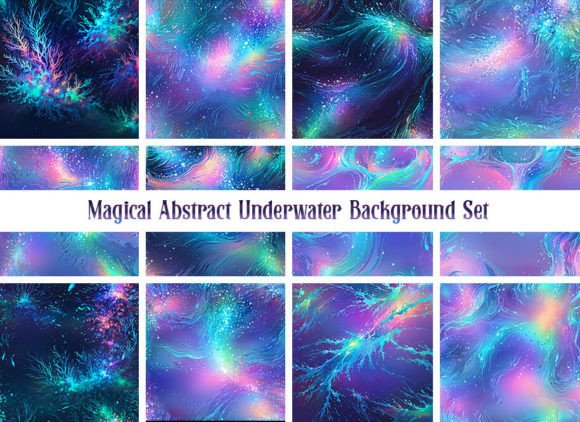
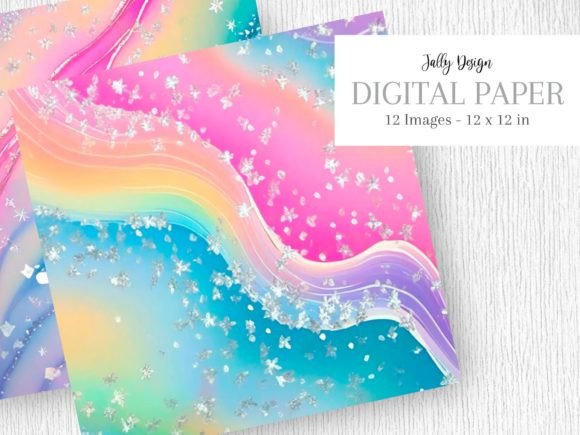
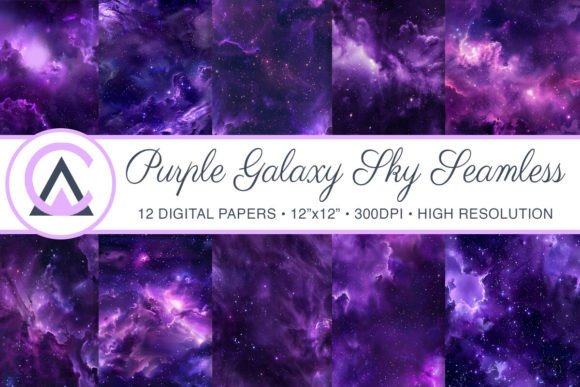
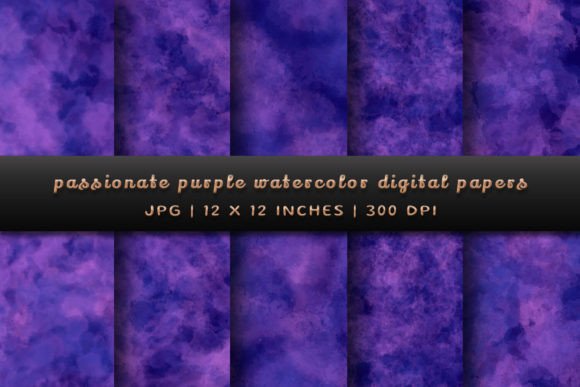
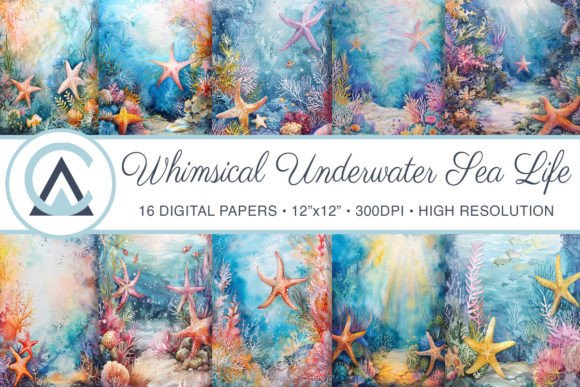
When you are building a brand or creating a piece of art, the background is not just empty space; it is the stage where your main content performs. Watercolor Underwater Reef Backgrounds offer a specific kind of stage—one that is fluid, organic, and deeply textured. These designs typically feature the soft, bleeding edges characteristic of traditional watercolor media, mimicking the dappled light and shifting colors found beneath the ocean's surface. You often see a blend of teals, deep blues, sandy beiges, and coral pinks, all merging without harsh lines. This creates a "watercolor underwater reef landscape" effect that feels alive and moving. Unlike rigid geometric patterns, this style brings a sense of calm and nature to your projects. It serves as a perfect backdrop for text because it provides visual interest without the distraction of repeating hard shapes, making it an ideal choice for a premium font or display font to sit upon.
The Personality and Appeal of Watercolor Textures
Every design asset carries a personality. A sharp, geometric sans serif font feels corporate and efficient, but a watercolor reef background feels artistic, organic, and somewhat dreamy. This visual style is particularly effective for audiences who value creativity, wellness, or nature. The "abstract watercolor" aspect means you are not dealing with a literal photograph, which can sometimes be limiting. Instead, you have an artistic interpretation that allows for more flexibility. It bridges the gap between a raw, natural element and a polished design asset. If you are a crafter or a designer, this flexibility is crucial. It allows you to overlay a script font or a handwritten font without the clashing that happens when you put playful typography over a busy photographic image. The soft texture of the reef background absorbs the visual weight, allowing your logo design or headline to pop.
Strategic Applications for Brand Identity and Marketing
For small business owners and entrepreneurs, consistency across platforms is the key to building a recognizable brand identity. These Watercolor Underwater Reef Backgrounds are not limited to just one medium. Because they are provided in high-resolution formats (300 DPI at 12"x12"), they translate beautifully from screen to print. This is vital for anyone working in packaging design, editorial design, or physical product manufacturing.
Consider a small business selling handmade soaps or bath products. Using these backgrounds for the packaging design reinforces the product's connection to water and nature. It instantly communicates a specific vibe to the customer before they even read the ingredients. Similarly, for a travel blogger or a content creator, using these assets for social media graphics creates a cohesive feed. When your Instagram posts, Pinterest pins, and website banners share the same "watercolor underwater reef landscape" palette, you create a visual rhythm that keeps your audience engaged.
Practical Use Cases for Digital and Print
The versatility of these digital paper backgrounds is where the real value lies. Here are practical ways to integrate them into your workflow:
- Invitations and Stationery: For wedding planners or event organizers, a reef background sets a tropical, serene mood. It pairs exceptionally well with elegant serif fonts or modern typography.
- Scrapbooking and Junk Journals: Crafters often struggle to find papers that don't look "flat." The texture in these watercolor files adds depth to physical paper crafts, making pages look tactile even when printed on standard cardstock.
- Website Design: In web design, loading times matter, but so does visual impact. A section divider or a hero banner using a reef background can break up long blocks of text, improving the user experience.
- Merchandise: From t-shirts to mugs, these designs work as full-bleed prints. They offer a trendy, artistic look that appeals to a broad demographic, particularly in the 20-50 age range who appreciate artisanal aesthetics.
Technical Execution and Design Principles
Understanding the technical specifications of your design assets is a professional necessity. These backgrounds come in PNG and JPEG formats, which covers the spectrum of most design software requirements. The PNG files are particularly useful if you need to layer elements or if you want to maintain the highest fidelity of the watercolor edges, while JPEGs are excellent for web use where file size needs to be optimized.
Pairing Typography with Organic Backgrounds
One of the most common challenges in design is ensuring readability. When you place text over a textured background like a watercolor reef, you have to manage the contrast. A busy background can make a thin, light font disappear. This is where font pairing becomes a critical skill.
If you are using Watercolor Underwater Reef Backgrounds, consider using a bold sans serif font for your main headers. The thick strokes of a sans serif cut through the visual noise of the watercolor texture. For sub-headers or body text, a clean, simple serif font works well, provided the background is muted enough. Avoid using highly decorative script fonts for long paragraphs; save those for short, impactful logos or single words where the swirls of the font can complement the swirls of the water.
Think about visual hierarchy. You might apply a slight opacity overlay or a blur to the background image behind your text block. This "knocks back" the image, making it darker or lighter, which ensures your text remains the focal point. This technique is standard in professional publishing and web design, ensuring that the artistic nature of the background enhances rather than hinders the message.
Evaluating Fit and Resizing
The files are sized at 12"x12" (3600x3600px), which is a standard dimension for digital scrapbook paper. However, for web design or social media graphics, you will need to crop or resize. Because the resolution is high (300 DPI), you can crop into a specific section of the reef landscape for an Instagram Story (vertical) or a Facebook cover (horizontal) without losing quality. This allows you to get multiple "looks" out of a single file.
When evaluating if these assets fit your project, look at the color temperature. Does the blue-green palette match your brand colors? If your brand is warm-toned (reds and oranges), the cool tones of the ocean might clash unless used as an accent. However, if your brand leans toward nature, wellness, or creativity, these backgrounds are a natural fit. They act as a bridge between professional polish and artistic flair, giving your projects a high-end, custom feel that generic stock photos often lack. By utilizing these high-quality watercolor assets, you are investing in the visual equity of your brand, ensuring that every piece of content you publish feels cohesive and intentional.