Elevate Your Creations with Grey and Mauve Watercolor Backgrounds
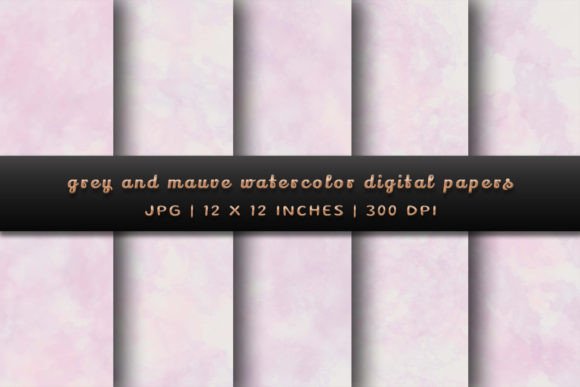
There’s a certain quiet power in a palette that doesn’t shout for attention. Grey and mauve, when blended in a watercolor wash, create a mood that’s both sophisticated and deeply calming. It’s a color story that feels contemporary yet timeless, offering a versatile foundation for a vast range of creative work. Our Grey and Mauve Watercolor Digital Papers capture this essence perfectly, providing a set of five high-resolution backgrounds designed to bring a professional, artistic touch to your projects.
Understanding the Visual Character of These Backgrounds
Think of these digital papers as more than just a color fill. They are assets with a distinct personality. The watercolor texture introduces an organic, hand-painted quality that a flat color simply cannot achieve. You’ll notice subtle variations in tone, gentle bleeds where the grey and mauve meet, and soft, granular details that mimic real pigment on paper. This texture adds depth and interest, preventing designs from looking sterile or overly digital.
The color blend itself is key. Mauve, a dusty pink with cool grey undertones, brings a touch of warmth and subtle romance without being saccharine. When paired with various shades of grey—from soft dove to cool slate—it grounds the palette, adding a layer of modern neutrality and seriousness. The overall effect is balanced: professional enough for corporate materials, yet artistic enough for boutique branding or personal stationery. It’s a premium font for the background world, setting a stage that feels curated and intentional.
Where These Digital Papers Truly Shine
The versatility of this set is one of its greatest strengths. Because the design is elegant yet understated, it adapts to numerous contexts without overpowering the foreground content.
- Branding and Logo Design: For businesses aiming for a brand identity that communicates calm authority, creativity, or modern elegance, these backgrounds are invaluable. They work beautifully as backdrops for mood boards, style guides, or secondary brand textures. Imagine a wellness brand, a boutique consultancy, or an artisanal product using these as the foundation for their visual language.
- Editorial and Publishing: In editorial design, such as magazine layouts, book covers, or blog graphics, a textured background can add a layer of tactile quality. These papers are ideal for feature articles on design, lifestyle, or art, providing a sophisticated canvas that enhances typography and imagery.
- Digital and Print Marketing: From social media graphics and website hero sections to printed brochures and packaging design, the high-resolution 300 DPI files ensure crisp output. They can make a Facebook ad feel more polished or give a product label a luxurious, artisanal feel.
- Personal and Craft Projects: The applications extend beyond commercial use. Think of elegant wedding invitations, save-the-dates, scrapbooking elements, or custom planner pages. For crafters and hobbyists, these files unlock possibilities for sublimation projects on mugs, tote bags, or apparel, bringing a cohesive, artistic style to handmade goods.
The key is to view them as a foundational design asset. They don’t just fill space; they contribute to the overall narrative and emotional tone of your work.
Practical Guidance for Using Grey and Mauve Watercolor Backgrounds
Having a beautiful asset is one thing; using it effectively is another. Here’s how to integrate these backgrounds into your workflow for maximum impact.
Evaluating Fit and Ensuring Readability
Before applying the background, consider the primary message of your project. The subtle, muted nature of this palette supports content that needs to feel calm, thoughtful, or refined. It might not be the best match for high-energy, urgent calls to action or very young, playful audiences. Always test your foreground elements—be it a display font for a headline or body copy in a sans serif font—against the background. Ensure there is sufficient contrast for easy reading. The watercolor texture, while beautiful, can sometimes interfere with fine text. Using bold, clean typefaces or adding a semi-transparent overlay behind text blocks can solve this.
Strategic Font Pairing and Hierarchy
The background sets a mood, and your typography should complement it. A sophisticated serif font like a classic serif font can enhance the elegant feel, perfect for an invitation or a boutique logo. A clean, geometric sans serif font would create a nice contrast, bringing modern clarity and improving readability for longer text. For a touch of personality, a restrained script font or handwritten font could be used sparingly for accents, but be cautious not to compete with the background’s artistry. The goal is visual hierarchy—using type to guide the viewer’s eye smoothly from headline to body text, with the watercolor paper providing a cohesive, textured environment.
Working with the Files
Remember, the download contains a ZIP file with five JPG backgrounds. You’ll need to extract them before use. Because they are 12x12 inches at 300 DPI, they are perfectly sized for print projects and can be easily scaled down for digital use without losing quality. For web design or social media graphics, you can resize, crop, or even layer multiple papers with varying opacities to create unique compositions. In design software, try blending modes like Multiply or Soft Light to integrate text and graphics seamlessly with the paper’s texture.
Ultimately, these Grey and Mauve Watercolor Digital Papers are a tool for adding a layer of professional artistry. They offer a shortcut to a polished, cohesive look that can elevate everything from a small business’s marketing collateral to a personal creative project. By understanding their character and applying them thoughtfully, you can ensure they enhance your work’s clarity, professionalism, and visual appeal.