Gradient Terrain Backgrounds: Nature’s Palette for Digital Creators
Why Your Next Project Needs This Organic Visual Foundation
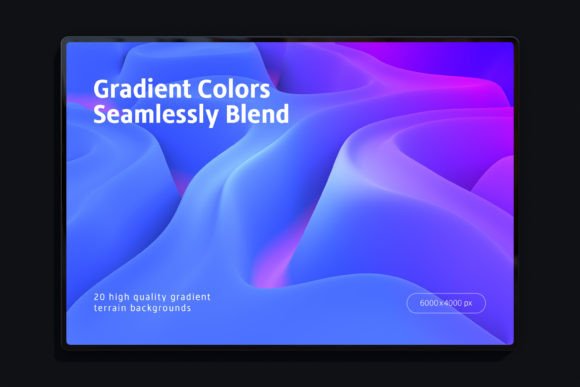
When I first started working with Gradient Terrain Backgrounds, I realized we often overcomplicate our design assets. We hunt for complex patterns or high-contrast textures, yet sometimes the most powerful visual foundation is found in the quiet transition of a horizon line. These backgrounds aren't just color fills; they are meticulously crafted landscapes that mimic the physics of light hitting the earth. Whether it is the subtle shift of a morning mist or the deep saturation of a twilight mountain range, these files offer a level of depth that flat colors simply cannot match.
For the entrepreneur or content creator, the challenge is usually finding imagery that feels professional without looking like a generic stock photo. This collection solves that by focusing on the gradient itself. The terrain aspect gives it texture and weight, grounding your text or products, while the gradient ensures the eye flows naturally across the page. It is a balance of chaos and order, providing a versatile canvas for everything from web design to packaging design.
Integrating Terrain Textures into Modern Branding
In the world of brand identity, consistency is king, but personality is the queen that captures the heart. Using Gradient Terrain Backgrounds allows you to inject a specific mood into your visual language without relying on a display font or script font to do all the heavy lifting. Think about a wellness brand or an eco-friendly startup; using these gradients as the backdrop for your logo design or social media headers instantly communicates a connection to the natural world. It is a subtle psychological cue that suggests stability, growth, and authenticity.
I have seen these backgrounds work wonders in editorial design as well. When you are laying out a digital magazine or a blog post, the background needs to support the content, not fight it. A terrain gradient provides enough visual interest to keep the reader engaged but retains enough simplicity to ensure high readability. It is particularly effective when paired with a clean sans serif font. The geometric precision of the typeface contrasts beautifully with the organic flow of the terrain, creating a dynamic font pairing that feels both modern and timeless.
Practical Applications for Digital and Print
The versatility of these assets is where they truly shine. Because they are high-resolution, they translate seamlessly from screen to print. Here are a few specific ways I recommend using them:
- Social Media Graphics: Use a vibrant dusk gradient to make text overlays pop on Instagram stories or Pinterest pins. The color variation helps maintain visual interest even when users scroll quickly.
- Presentation Decks: Move away from solid grey or navy backgrounds. A subtle terrain gradient adds a layer of sophistication and professionalism to business pitches, making the data feel more grounded.
- Website Hero Sections: For web design, a large-scale terrain background can set the tone for the entire user experience. It acts as a "hero" image that doesn't distract from the navigation or call-to-action buttons.
- Product Mockups: If you sell physical goods, placing your product against a soft, natural gradient can highlight the item's texture and color without the clutter of a busy environment.
Mastering Visual Hierarchy with Color Transitions
One of the most common mistakes in graphic design is fighting the background. If your background is too loud, your message gets lost. The strength of the Gradient Terrain Backgrounds collection lies in its ability to create natural focal points. By understanding the direction of the gradient—where the light source appears to be coming from—you can strategically place your headline or key image in the area of highest contrast. This is a practical application of visual hierarchy that guides the viewer's eye exactly where you want it to go.
Consider the personality of the colors involved. A gradient moving from a soft pink to a deep violet evokes a sense of creativity and calm, making it ideal for lifestyle blogs or beauty brands. Conversely, a transition from earthy greens to slate greys feels more corporate and serious, suitable for financial services or architecture firms. This isn't just decoration; it is strategic communication through modern typography and color theory.
Tips for Testing and Pairing
When you bring these backgrounds into your workflow, don't just drop them in and hope for the best. Test them against your existing design assets. Here is my advice for getting the most out of this collection:
- Check the Contrast: Ensure your text—whether it is a bold serif font or a delicate handwritten font—has enough contrast against the gradient. Use an accessibility checker tool to verify readability.
- Experiment with Opacity: Sometimes a full-strength background is too much. Try lowering the opacity of the terrain layer to 80% and placing a white noise texture over it to add a tactile, vintage feel.
- Match the Mood: Don't pair a chaotic, high-saturation sunset gradient with a rigid, corporate typeface. Let the mood of the terrain dictate the style of the typography. If the background is wild, the font can be more expressive; if the background is subtle, keep the font structured.
Ultimately, these Gradient Terrain Backgrounds are more than just pretty pictures; they are functional tools for building atmosphere. They allow designers, marketers, and creators