Stone Textured Fluid Marble Backgrounds: A Designer's Guide
There's a certain gravitas that natural materials bring to a design. The cool, solid feel of slate, the intricate, ancient patterns of marble—these textures speak a language of quality and permanence. In the digital realm, capturing that authentic, tactile essence is a common challenge. This is precisely where the Stone Textured Fluid Marble Backgrounds come into play. They aren't just digital papers; they are carefully crafted assets designed to inject depth, sophistication, and a tangible sense of luxury into your creative work. Think of them as your secret weapon for projects that need to feel grounded, elegant, and undeniably premium.
The Anatomy of an Elegant Asset
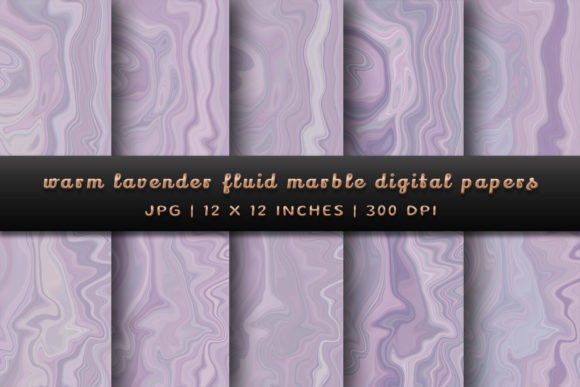
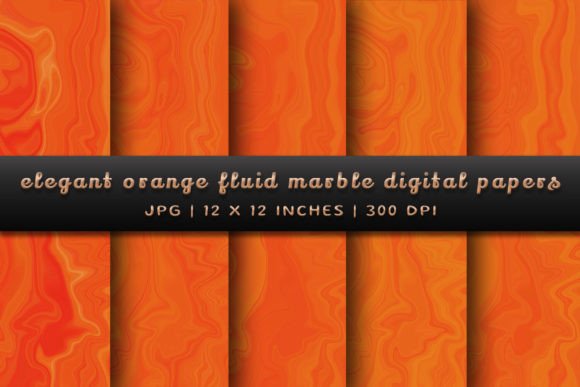
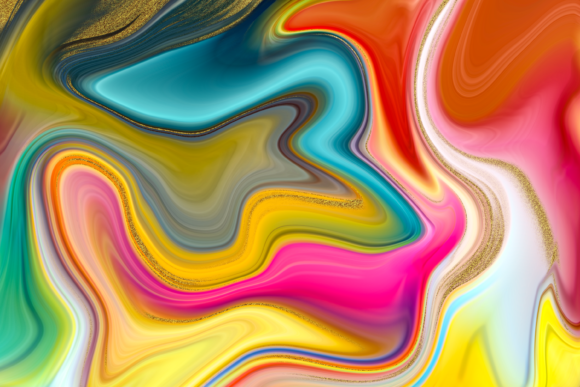
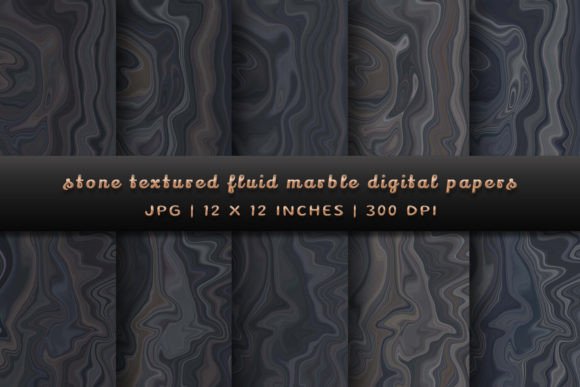
At first glance, these backgrounds present a captivating visual paradox. They merge the rigid, earthy character of stone with the fluid, organic movement of marble veining. The result is a dynamic surface that feels both ancient and contemporary. You'll notice subtle, granular textures that mimic the surface of honed limestone or travertine, preventing the design from looking flat or digitally sterile. Woven through this textured base are elegant, flowing marble patterns—some delicate and subtle, others with bold, dramatic strokes. This combination creates a rich visual hierarchy on its own, providing a complex backdrop that doesn't overwhelm but instead adds a layer of professional depth.
As a premium font of the background world, this collection functions much like a versatile display font or a foundational serif font. It sets a definitive tone. Its personality is one of quiet confidence and refined taste, making it an ideal design asset for projects where brand perception and audience engagement are paramount. It’s a creative font for your canvas, offering a style that communicates stability, craftsmanship, and timeless elegance without saying a word.
Practical Applications: Where Stone and Marble Excel
The true value of any design asset lies in its versatility. These Stone Textured Fluid Marble Backgrounds are engineered for a wide spectrum of applications, seamlessly bridging the gap between digital and print.
Digital and Branding Projects
In the digital space, first impressions are everything. Using these backgrounds in web design for hero sections, header banners, or feature area overlays can instantly elevate a website's aesthetic. They provide a stunning foundation that makes foreground elements—like sans serif font typography or product photography—pop with clarity. For social media graphics, they are invaluable. A textured marble background can transform a simple quote graphic or promotional post into a piece of scroll-stopping content, lending authority and visual polish to your feed. For entrepreneurs and small business owners, incorporating this texture into your logo design presentations or as a key element in your brand identity guidelines can help establish a perception of quality from the very first touchpoint.
Print, Publishing, and Packaging
The 300 DPI high-resolution JPGs ensure these assets are perfectly suited for high-quality print work. Imagine them as the backdrop for a wedding invitation suite, a luxury product brochure, or the interior pages of a high-end lookbook. In editorial design, a subtle stone marble texture can serve as a sophisticated page background or a chapter opener, adding visual interest without distracting from the text. For crafters and makers, the applications are equally exciting. These digital papers are ideal for sublimation projects, custom stationery sets, journal covers, and even mockup backgrounds for product photography. The texture adds a layer of realism and artistry that flat colors simply cannot achieve.
Strategic Integration: Maximizing Impact and Readability
Introducing a strong background texture requires a thoughtful approach to maintain clarity and effectiveness. The key is to treat the Stone Textured Fluid Marble Background as a supporting actor, not the lead. Its role is to enhance your message, not compete with it.
Typography Pairing is Crucial: The intricate patterns of the marble demand clean, highly legible typography. This is where a strong font pairing strategy comes in. A bold, geometric sans serif font for headlines creates a beautiful contrast against the organic, detailed background. For body text, a simple, clean serif font or sans serif with generous line height ensures readability. Avoid overly ornate script font or handwritten font styles for large blocks of text, as they can get lost in the texture. Instead, use them sparingly for accents or short, impactful quotes.
Create Visual Hierarchy with Contrast: To ensure your text stands out, use design techniques to create separation. Placing a semi-transparent color overlay or a soft, blurred shape behind your text can provide a quiet zone, making the foreground content instantly more readable. Alternatively, using text with a strong drop shadow or a bright, contrasting color can cut through the complexity of the background.
Evaluate and Test: Before committing to a final design, test your layout. View it at the intended size, whether on a mobile screen or a printed poster. Check the contrast ratios to ensure accessibility. Does the background support the overall mood you're trying to create? For a modern fintech brand, a subtle, grey-toned marble might suggest stability and innovation. For a artisanal bakery's packaging, a warmer, beige-toned stone texture could evoke organic, handmade quality. The included 12x12 inch files at 300 DPI give you ample flexibility to crop and adjust for various formats, from business cards to large-format prints. Always remember to check the licensing for your intended use, especially for commercial projects, to ensure compliance.
Ultimately, these backgrounds are more than just pretty pictures. They are strategic tools for modern typography