Timeless Textures: Using Vintage Coffee Journal Pages Backgrounds
There is a distinct comfort found in the textures of the past—a warmth that modern, sleek design sometimes overlooks. For many creative professionals, from scrapbookers to digital marketers, the challenge lies in finding assets that offer both authenticity and versatility. Enter the Vintage Coffee Journal Pages Backgrounds. This collection isn't just a set of images; it is a gateway to creating projects that feel lived-in, personal, and rich with character. The subtle staining, aged paper textures, and the nostalgic hue of coffee create an immediate emotional connection, making any design layered over them feel more grounded and real.
The Visual Soul of the Collection
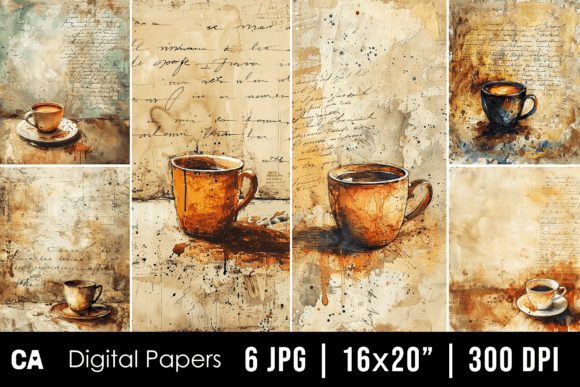
At its core, this set of Vintage Coffee Journal Pages Backgrounds captures the essence of a well-loved notebook. The visual characteristics are defined by their organic, imperfect beauty. You will notice the gentle gradients of sepia and brown, mimicking the rings left by a coffee cup, alongside the fibrous texture of aged paper. This style doesn't shout; it whispers. It carries a personality of quiet reflection, creativity, and artisanal quality. The appeal lies in its ability to serve as a creative font for your visual storytelling—providing a textured backdrop that adds depth without overwhelming the main content. It evokes a sense of history, making it perfect for projects that aim to convey tradition, comfort, or intellectual curiosity.
Strategic Applications for Modern Creators
Understanding where these backgrounds work best is key to unlocking their full potential. Their versatility extends far beyond traditional junk journaling. In the realm of brand identity, a small coffee shop or a boutique bakery could use these textures to create a cohesive logo design and menu aesthetic that feels authentic and welcoming. For editorial design, bloggers and publishers can use them as backgrounds for pull quotes or chapter headings, adding a tactile quality to digital pages. In packaging design, these textures can transform a simple label into something that feels premium and handcrafted.
Furthermore, in the digital space, social media graphics benefit immensely. A quote card set against one of these backgrounds stops the scroll, offering a moment of visual respite in a fast-paced feed. For web design, they can be used as subtle section dividers or hero image overlays, adding warmth to an otherwise sterile digital interface. The key is recognizing that these assets are not just for decoration; they are tools for setting a specific mood and enhancing the narrative of your project.
Influence on Design and Brand Perception
The choice of background texture significantly influences visual hierarchy and readability. A busy, high-contrast background can fight with text, but the nuanced, low-contrast nature of these vintage coffee textures often provides a supportive stage. When paired with a clean sans serif font or a classic serif font, the text can pop while the background adds emotional weight. This interplay is crucial for brand perception. Using such textures suggests a brand values craftsmanship, detail, and a human touch. It moves a brand away from feeling corporate and generic toward feeling personal and artisanal.
For content creators and marketers, this translates to better audience engagement. People connect with visuals that feel real. A campaign using these backgrounds can evoke nostalgia, making the message more memorable. It fosters a sense of consistency across various platforms—whether it's an email newsletter header, a website banner, or a printed flyer—creating a unified brand identity that is easily recognizable.
Practical Guidance for Integration
To effectively integrate the Vintage Coffee Journal Pages Backgrounds, start by evaluating your project's core message. Does your theme align with warmth, history, or craftsmanship? If yes, you have a strong match. Next, consider font pairing. These backgrounds work beautifully with a variety of typefaces. A script font or a handwritten font can enhance the personal, journal-like feel, ideal for invitations or personal scrapbooks. For more professional applications, such as a business proposal or a marketing brochure, pairing them with a sturdy display font creates a striking contrast between the old-world texture and modern clarity.
Always test for readability. Overlay your text and check it at various sizes. The 300 DPI, high-resolution files ensure that even when cropped or scaled, the texture remains crisp, preventing any loss of quality in print. Since these are design assets provided as instant downloads, they are ready for immediate use in your workflow, saving valuable time. Remember, the goal is to use the texture to support your content, not to compete with it. By treating these backgrounds as a foundational element of your modern typography