Transform Your Projects with Vector Blend Art Backgrounds
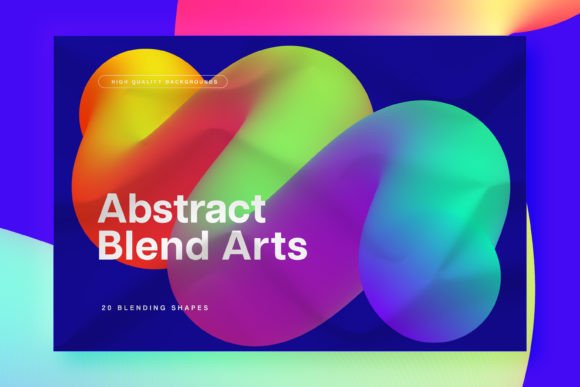
Every designer hits that wall where a solid color feels too flat, but a photograph feels too cluttered. You are looking for something in the middle—something that adds depth, energy, and a modern artistic touch without stealing the focus from your message. This is exactly where Vector Blend Art Backgrounds come into play. These aren't just random blobs of color; they are sophisticated compositions of overlapping shapes, gradients, and textures that create a fluid, almost liquid visual experience. They bridge the gap between strict geometric design and organic art, offering a versatile foundation for almost any creative project.
The Visual Anatomy of Blend Art
So, what defines the aesthetic of these backgrounds? Imagine the smooth transitions of a gradient mesh combined with the structural integrity of vector shapes. Vector Blend Art Backgrounds typically feature soft, diffused edges where colors merge, often set against sharp, clean geometric lines. The "personality" of this style is undeniably modern and tech-forward, yet it retains a sense of warmth and fluidity. It feels expensive and curated. You will often see pastel palettes for a calming vibe or neon gradients for a high-energy, cyberpunk look. Because they are vector-based, they scale infinitely without losing quality, ensuring your design assets remain crisp whether viewed on a mobile screen or a billboard.
Why This Style Works for Modern Branding
In the current digital landscape, attention spans are short. Visual hierarchy is everything. When you use a Vector Blend Art Background, you are immediately signaling to your audience that your brand is current and visually literate. This style taps into the "glassmorphism" and "aurora" trends seen in modern UI/UX design, making it perfect for startups, tech companies, and creative agencies. It influences brand perception by adding a layer of professionalism and sophistication that a simple stock photo often lacks. It helps build a visual identity that feels dynamic and alive, encouraging users to stop scrolling and engage with your content.
Practical Applications Across Industries
The versatility of this collection is one of its strongest selling points. You don't need to be a fine artist to make these work; you just need to know where to place them. Here is how different professionals can leverage these design assets:
- Web Design & UI: Use these as hero backgrounds for landing pages. They provide enough visual interest to frame your value proposition without making text hard to read. They work exceptionally well behind glass-effect cards or floating UI elements.
- Social Media Marketing: Algorithms favor visually arresting content. These backgrounds stop the scroll on Instagram, LinkedIn, and TikTok. They are perfect for quote graphics, announcement posts, or story backgrounds that need to look polished instantly.
- Presentation Design: Ditch the boring corporate templates. Using a subtle blend art background in a keynote or PowerPoint deck can transform a dry presentation into an engaging visual story.
- Editorial & Publishing: Bloggers and magazine editors can use these as section breakers or featured image backgrounds to add a touch of modern art to articles about lifestyle, finance, or technology.
- Product Packaging & Merch: For physical products, these vectors translate beautifully to packaging design, tote bags, or phone cases, offering a trendy aesthetic that appeals to younger demographics.
Maximizing Readability and Visual Hierarchy
One of the biggest challenges with abstract backgrounds is ensuring your text remains legible. This is where Vector Blend Art Backgrounds shine, provided you use them correctly. Because they are abstract, you have control over the "quiet zones" in the image. Always place your typography over the least busy area of the background. If the gradient is too vibrant, consider adding a semi-transparent overlay or a text box with a solid background to create contrast.
Regarding font pairing, this is critical. Since blend art backgrounds are inherently modern and fluid, they pair best with clean, geometric typefaces. A sans serif font with plenty of white space works wonders for body copy, allowing the background texture to breathe. For headers, you might use a bold display font or a premium font with distinct character to stand out against the organic shapes. Avoid overly ornate script fonts or heavy serif fonts unless you are using a very minimal version of the background, as the competing details can create visual chaos.
Strategic Implementation for Brand Identity
Consistency is the hallmark of a strong brand. When you download this collection of 20 backgrounds, don't just use one and discard the rest. Look for a common color palette or shape language within the set. You can use one specific background style for your main website headers and a variation of it for your email newsletters. This creates a cohesive ecosystem. For entrepreneurs and small business owners, this is a cost-effective way to build a "custom" look. You aren't just buying a picture; you are acquiring a design asset that can be recolored and reshaped to fit your specific brand identity guidelines.
Editing and Customization Tips
The true power of these assets lies in their editability. Unlike raster images (like JPEGs), these vector files can be manipulated in software like Adobe Illustrator or Affinity Designer. Here are a few practical tips for customization:
- Color shifting: Don't settle for the default palette. Use the "Recolor Artwork" tool in Illustrator to instantly match the background to your client's specific brand hex codes.
- Isolation: You don't have to use the whole composition. Isolate a single "blob" or gradient shape to use as a standalone decorative element or icon background.
- Texture Overlays: To add a tactile feel, apply a subtle noise or grain effect over the vector blend. This reduces the "digital" feel and makes the design look more organic and premium.
- Opacity Adjustments: Lower the opacity of the background significantly to create a watermark effect for business cards or letterheads.
Evaluating Fit and Commercial Use
Before integrating any asset into a project, always evaluate the fit. Ask yourself: Does this energetic background compete with my product image? If you are selling a complex physical product, a simpler background might be better. However, if you are selling a service or a digital product, the dynamism of Vector Blend Art Backgrounds can help visualize the energy of your offering.
Finally, always check the licensing. For designers working with commercial clients, ensure the license covers commercial use, allowing you to incorporate these designs into merchandise or client websites without legal hurdles. This collection offers a high-value solution for those who need professional-grade visuals without the cost of a custom commission. By treating these backgrounds as versatile tools rather than just decoration, you can elevate your design projects and deliver work that feels truly contemporary.