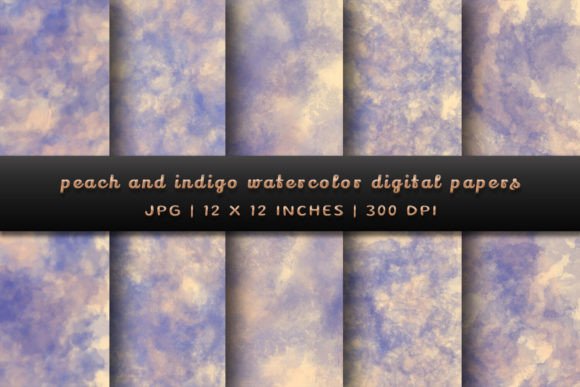
Peach and Indigo Watercolor Backgrounds: A Designer's Guide
There’s a particular kind of magic that happens when you find the right background. It’s not just a placeholder; it’s the foundation, the atmosphere, the silent storyteller that gives your foreground elements their voice. For designers, crafters, and brand builders, the quest for that perfect digital paper can be endless. The Peach and Indigo Watercolor Digital Papers collection offers a compelling answer, blending warmth and depth in a way that feels both contemporary and timeless. It’s more than just a set of files—it's a versatile design asset ready to elevate your work from the moment you download it.
Understanding the Palette: More Than Just Pretty Colors
At first glance, the combination of peach and indigo is striking. But its true power lies in the emotional and psychological resonance of the palette. Peach, a soft blend of pink and orange, carries connotations of warmth, approachability, and gentle optimism. It’s friendly and inviting, often used in wellness, beauty, and lifestyle branding to evoke a sense of calm and positivity. Indigo, on the other hand, is a deep, complex blue that suggests depth, wisdom, and professionalism. It’s a color of trust and stability, frequently seen in corporate and creative fields to convey authority and sophistication.
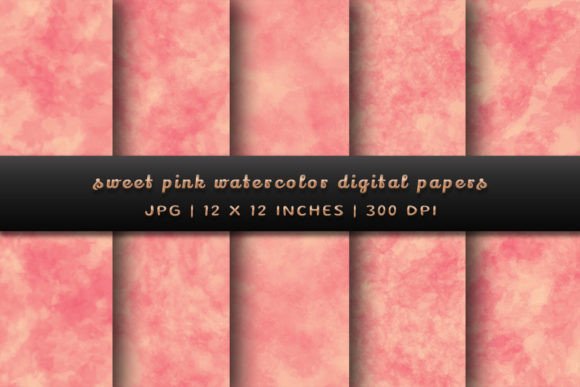
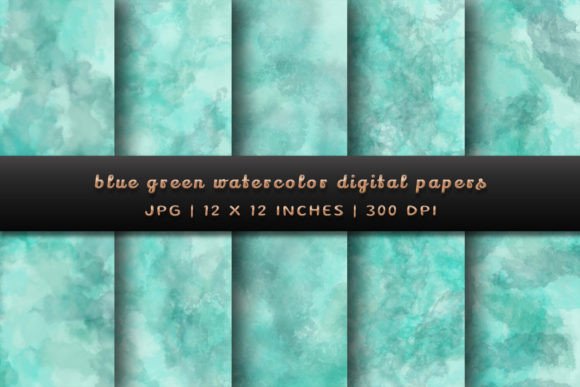
When these two colors meet in a watercolor texture, the result is nothing short of sophisticated elegance. The watercolor medium itself introduces organic movement and subtle imperfection. You’ll see soft bleeds where peach tones swirl into indigo depths, delicate paper grain visible in high-resolution details, and gentle variations in opacity that prevent the design from feeling flat or digital. This isn’t a sterile, perfect gradient; it’s a handcrafted feel translated into a premium digital format. The personality of these backgrounds is one of balanced contrast—soft yet strong, warm yet professional, artistic yet polished. This duality makes the collection incredibly adaptable, allowing it to support a wide range of creative visions without overpowering them.
Practical Applications: Where These Backgrounds Truly Shine
The real test of any design asset is its utility. Where exactly do Peach and Indigo Watercolor Backgrounds fit into a creative workflow? The answer is, surprisingly, almost everywhere. The key is understanding how to leverage their unique qualities for different mediums and projects.
For brand identity and logo design, these backgrounds can serve as a stunning backdrop for wordmarks or monograms, especially for brands in the creative, artisanal, or boutique space. Imagine a jewelry designer using a textured peach and indigo paper behind their elegant serif font logo for a website hero image. It instantly communicates craftsmanship and a curated aesthetic. In packaging design, they can wrap a product box or label, creating an unboxing experience that feels luxurious and thoughtful. The high-resolution 300 DPI files ensure that the texture remains crisp and beautiful even when printed at scale.
In the digital realm, their impact is just as significant. Social media graphics and blog headers gain immediate visual interest and depth. A marketing quote or announcement placed over a softly blended section of this background will stop a scroll far more effectively than a solid color. For web design, they can be used as subtle section dividers or behind call-to-action buttons to draw the eye without causing visual clutter. The 12x12 inch square format is particularly useful for Instagram posts and Pinterest graphics, providing a perfect canvas.
For print and personal projects, the applications are equally rich. Scrapbooking and invitation design are natural fits. The watercolor aesthetic lends a handmade, personal touch to wedding suites, baby shower invitations, or milestone birthday cards. Editorial design for magazines or lookbooks can use these as full-page bleeds or section openers to break up content and add a luxurious, tactile quality to the layout. Even for internal projects—like a presentation deck for a client or a mood board for a new brand direction—using these backgrounds elevates the perceived professionalism and care put into the work.
Working With the Collection: A Practical Approach
Integrating a new set of design assets into your toolkit requires a bit of strategy to maximize their value. Here’s how to approach the Peach and Indigo Watercolor Digital Papers for the best results.
First, evaluate the fit. Before you even open the ZIP file, consider your project’s goals. Is the tone you’re aiming for warm and inviting, or deep and mysterious? The collection offers a range of blends, from predominantly peachy tones with indigo accents to deeper indigo fields softened with peach highlights. Browse the files to find the one whose mood aligns with your message. This is about intentional design, not just using what you have.
Next, think about font pairing. The organic, fluid nature of watercolor backgrounds pairs best with typefaces that can hold their own without competing. A clean, modern sans-serif font will create a beautiful, contemporary contrast, letting the background texture add interest while the text remains perfectly legible. A elegant serif font can enhance the sophisticated, classic feel. For a more artisanal vibe, a subtle script or handwritten font can work, but be cautious—ensure the letterforms are distinct enough to remain readable against the textured backdrop. Always test your text placement on different areas of the background to find the spot with the least visual competition, often a slightly less saturated or lighter region.
Remember the technical specifications. The 300 DPI high-resolution JPG files are print-ready, meaning you can use them for physical products without worrying about pixelation. The 12x12 inch format is a standard for many digital and print projects, but you can easily crop or tile them for different dimensions. Because they are delivered as a compressed ZIP file, the first step after download is to extract the contents to access the individual papers. Organize them in a dedicated folder on your system so they’re always at your fingertips for that next project.
Finally, consider licensing and commercial use. While the files are yours to use in your projects, it’s always good practice to review the specific license terms provided with your purchase, especially if you plan to use them in products for resale, like printed merchandise or template kits for others. Understanding these boundaries ensures you can use these beautiful assets confidently and ethically in both personal and commercial contexts.
In the end, the true value of a collection like this lies in its ability to spark creativity and solve design problems. It provides a professional, cohesive starting point that can be adapted and transformed across dozens of projects. By understanding its visual language and applying it thoughtfully, you can infuse your work with a vibrant elegance that resonates with your audience and elevates your entire creative output.