Blue Green Watercolor Backgrounds: A Designer's Guide
There's a particular quality to watercolor that digital tools often struggle to replicate. It’s the gentle bleed of one pigment into another, the subtle texture of the paper showing through, the happy accidents that create organic beauty. Blue Green Watercolor Backgrounds capture this essence perfectly, offering a ready-made foundation that feels both handcrafted and polished. This isn't just another set of digital papers; it's a versatile design asset that brings a specific mood and sophistication to a wide range of projects.
Understanding the Visual Personality
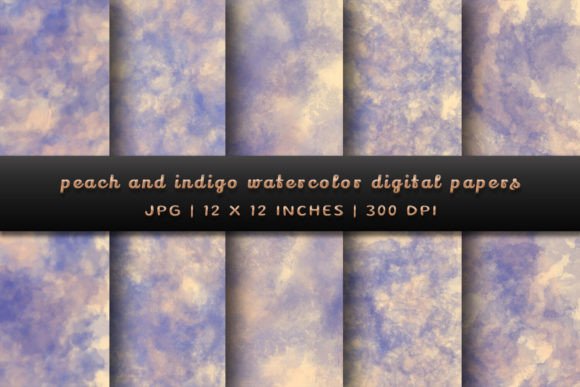
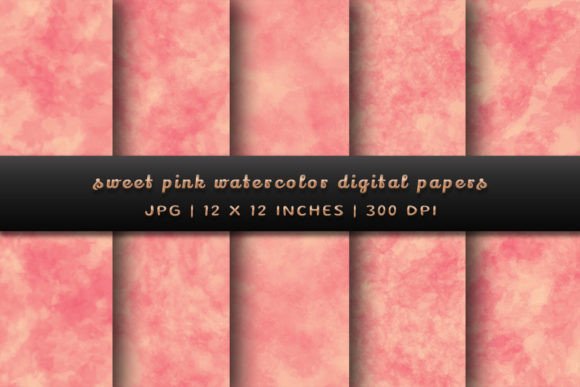
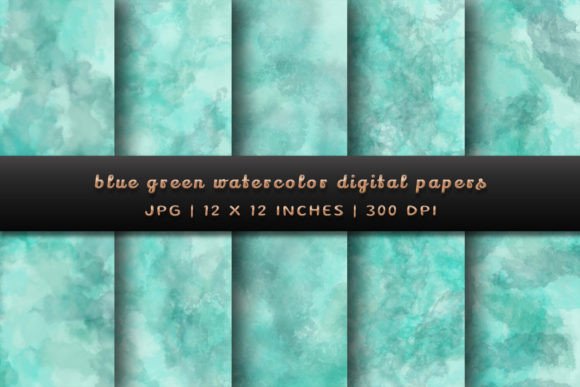
The core appeal of these backgrounds lies in their color story. The fusion of blue and green isn't a simple blend—it's a conversation. Think of the deep teal of a forest pool meeting the bright cyan of a shallow sea, or the muted sage of lichen growing beside the vibrant emerald of new leaves. This palette inherently suggests nature, tranquility, and renewal. The watercolor texture adds another layer of personality, introducing soft edges, granular effects, and a sense of depth that a flat color fill can't achieve. The result is a background that feels alive, organic, and subtly luxurious. It has a calming yet confident presence, making it ideal for projects that need to convey both serenity and professionalism.
This style of background works exceptionally well as a foundational element in brand identity for businesses in wellness, beauty, eco-friendly products, or creative services. It provides a visual shorthand for quality and thoughtfulness. For a yoga studio's promotional materials, it immediately sets a peaceful, focused tone. For a artisanal skincare brand, it suggests natural ingredients and careful craftsmanship. The key is that it does the heavy lifting of establishing a mood without overwhelming the central message or typography.
Practical Applications Across Projects
The true value of a premium design asset is its flexibility. These Blue Green Watercolor Digital Papers are built for a multitude of uses, bridging the gap between digital and physical creation. Their 12x12 inch, 300 DPI high-resolution specification makes them particularly suited for projects where print quality is non-negotiable.
For digital projects, they serve as stunning backgrounds for social media graphics, website hero sections, or digital magazine layouts. Imagine a quote graphic for Instagram where the text sits over a wash of serene blue-green; it instantly elevates the post beyond a simple text-on-color design. In web design, a subtle, tiled version of one of these papers can add texture to a sidebar or footer, creating visual interest without distracting from the content. For editorial design, they can be used as chapter openers or pull-quote backgrounds in e-books and digital reports, adding a touch of artistry to long-form content.
In the realm of print and packaging design, their applications are just as robust. They are perfect for creating sophisticated wedding invitations, event programs, or thank-you cards that feel personal and elegant. For small business owners, they can transform product labels, business cards, or shopping bags, giving a cohesive and high-end feel to the entire brand identity. Crafters and hobbyists will find them invaluable for sublimation projects—imagine printing a vibrant blue-green watercolor pattern onto a tote bag, a mug, or a set of coasters. The high resolution ensures the texture and color gradients remain crisp and beautiful on physical items.
Integrating Backgrounds with Typography and Design
A background is never just a background; it's the stage upon which your other design elements perform. Using Blue Green Watercolor Backgrounds effectively means thinking carefully about how they interact with your typography and other graphics. The goal is harmony and legibility.
When it comes to font pairing, the organic nature of the background calls for a thoughtful contrast. A clean, geometric sans serif font like Montserrat or Lato can provide a modern, readable counterpoint to the flowing watercolor. For a more classic or luxurious feel, a elegant serif font like Playfair Display or Lora can create beautiful tension between the structured type and the organic background. Avoid overly ornate script fonts or handwritten fonts for body text, as they can become lost in the texture. Instead, use a bold, simple display font for headlines and pair it with a highly legible sans serif for paragraphs.
Readability considerations are paramount. The texture and color variation of the watercolor mean that dark text can sometimes blend into darker areas. Always test your text placement. Adding a slight drop shadow, a semi-transparent overlay (like a white or cream box at 70% opacity), or strategically placing text over the lightest part of the background can ensure your message is clear. This isn't about hiding the beautiful background, but about creating a functional visual hierarchy where the background supports the content rather than competing with it.
Making the Most of Your Asset
Before diving into a project, take a moment to evaluate the fit. Review the five included papers. One might have a more dominant blue tone, another a greener hue, and a third might feature more pronounced texture. Choosing the right one for your specific project is part of the creative process. If you're working on a series of social media graphics, consider using different papers from the set for each post to maintain variety within a cohesive theme.
Remember that these are high-quality JPG files delivered in a ZIP archive. For designers and entrepreneurs, it's wise to organize these files in a dedicated "Design Assets" or "Backgrounds" folder on your system for easy access. Understanding the licensing is also crucial for commercial use. These assets are typically provided with a license that allows for use in end products for sale, but it's always best practice to review the specific terms to ensure your project, whether it's a physical product for your Etsy shop or a digital template for sale, is covered.
Ultimately, Blue Green Watercolor Backgrounds are more than just pretty patterns. They are a strategic tool for adding depth, emotion, and a professional touch to your creative work. By understanding their personality, applying them thoughtfully across various mediums, and pairing them with complementary typography, you can leverage these assets to create designs that truly resonate with your audience and elevate your brand's visual story.