Serene Digital Papers: Lavender Tone Fluid Marble Backgrounds
There’s a particular kind of visual noise that clutters so many digital spaces—overly saturated colors, harsh gradients, and patterns that scream for attention. In contrast, the Lavender Tone Fluid Marble Digital Papers offer a whisper. They are an exercise in controlled calm, a design asset built for projects that need to breathe. If you've been searching for a texture that adds depth without overwhelming your content, this is a foundational element worth understanding.
Visual Characteristics and Personality
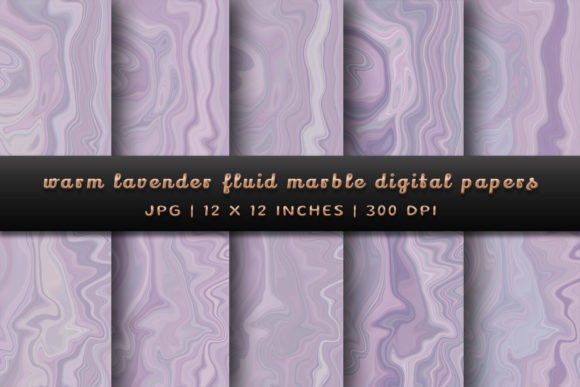
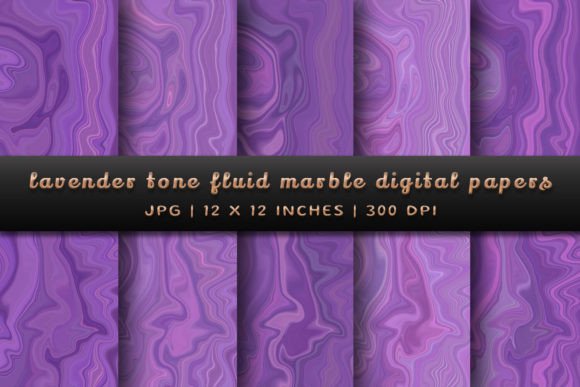
At its core, this is a set of five distinct, fluid marble backgrounds. The "fluid" aspect is key. Unlike rigid, geometric patterns, the marble effect here mimics the organic, swirling movement of ink in water or natural stone veining. The color palette is intentionally muted, centered on a spectrum of soft lavender, lilac, and muted purple tones, often intertwined with subtle hints of cream, soft gray, or the faintest blush pink. This creates a serene, almost ethereal personality.
The overall appeal lies in its versatility as a premium font—or in this case, a premium texture—for background work. It doesn't compete; it complements. The high-resolution 300 DPI files ensure that when you scale them for a 12x12 inch print project or use them as a digital backdrop, the details remain crisp and the gradients smooth. This isn't just a filter applied to a photo; it’s a carefully crafted design asset meant to serve as a sophisticated stage for your primary content.
Where These Backgrounds Shine: From Screen to Fabric
The true value of any design resource is measured by its real-world application. The Lavender Tone Fluid Marble backgrounds are exceptionally well-suited for a range of projects where mood and professionalism are paramount.
- Digital Presence & Branding: For web design, these textures make elegant website hero sections, blog post featured images, or subtle sidebar backgrounds. They work beautifully as a base for social media graphics, providing a consistent, calming aesthetic for Instagram quotes, Facebook covers, or Pinterest pins. In logo design, a subtle marble texture can add a layer of sophistication to a wordmark or emblem, especially for brands in wellness, beauty, luxury services, or boutique e-commerce.
- Print & Editorial Work: Their 12x12 inch, 300 DPI specification is a direct nod to the crafting and sublimation community. They are perfect for creating custom fabric prints, tote bags, journals, or greeting cards. In editorial design and packaging design, they can serve as elegant page backgrounds for lookbooks, menu designs, or product inserts, adding a tactile, high-end feel to the printed piece.
- Content Creation & Marketing: For bloggers and content creators, these backgrounds offer a quick way to create cohesive social media graphics or lead magnet covers that feel unified and professional. Marketers can use them in presentation decks or email newsletter headers to establish a refined brand identity that resonates with a calm, trustworthy aesthetic.
Integrating Texture into Your Design Workflow
Using a textured background effectively is about balance. Think of it as the canvas, not the painting. Here’s how to approach it practically.
Evaluating Project Fit: First, consider your project’s core message. Is it energetic and loud, or calm and authoritative? Lavender marble speaks to the latter. It’s ideal for a yoga studio’s branding, a skincare line’s packaging, a writer’s portfolio, or a mindfulness app’s interface. It might not be the best fit for a children’s party supply store or a extreme sports brand.
Typography and Hierarchy: This is where modern typography principles come into play. Because the background has visual texture, your typeface choices need to be exceptionally clear. A clean sans serif font often provides the best contrast and readability against the organic swirls of marble. If you opt for a serif font, choose one with strong, defined strokes. Avoid overly delicate script fonts or complex handwritten fonts for body text, as they can get lost. Use them sparingly for short headlines only if the background area is very subtle. The goal is to create a clear visual hierarchy where your text is effortlessly legible.
Font Pairing and Consistency: The key to a professional outcome is consistency. If you’re building a brand identity, use the same marble texture or a closely related one from the set across all touchpoints. Pair it with a limited, complementary color palette pulled from the background itself—think deep plum for headings, soft gray for body text, and a crisp white for highlights. This creates a cohesive system that strengthens recognition.
Practical Application Tips:
- Test Readability: Always place your text over the background at actual size. Squint test it. If the words blur into the pattern, you need to add a semi-transparent overlay (a light white or cream box with reduced opacity) behind your text block.
- Explore Compressions: Remember, the files are delivered in a ZIP. Extract them fully to access the high-quality JPGs. You might want to create lighter or darker versions using simple photo editing adjustments to suit different projects.
- Commercial Use: The included licensing is critical. For any commercial project—whether it’s a product you sell, a client deliverable, or marketing material for your business—ensure the license permits that use. This is a standard step when working with any commercial font or asset.
The Lavender Tone Fluid Marble Digital Papers are more than just a pretty pattern. They are a strategic tool for adding a layer of calm sophistication to your work. By understanding their visual personality and applying them with thoughtful typography and design principles, you can elevate your projects from ordinary to thoughtfully curated. They are a testament to how a single, well-chosen creative asset