Spring Green Watercolor Backgrounds: A Breath of Fresh Air
Unpacking the Visual Character
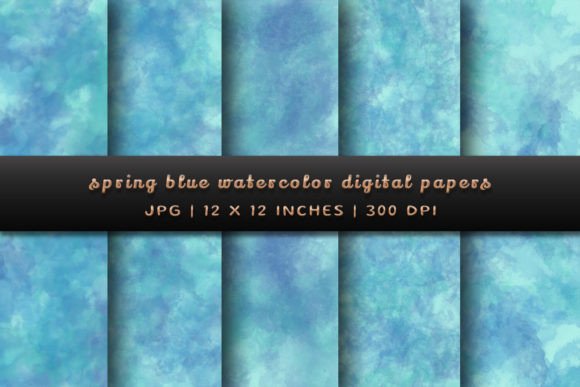
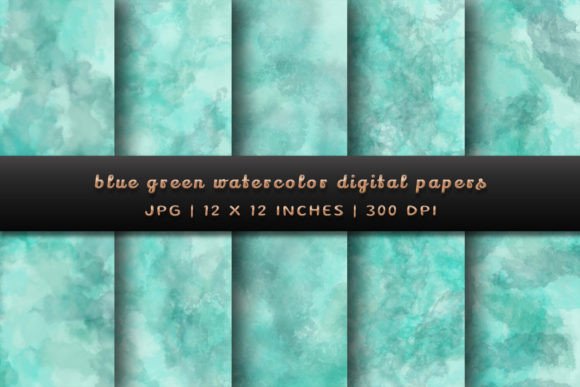
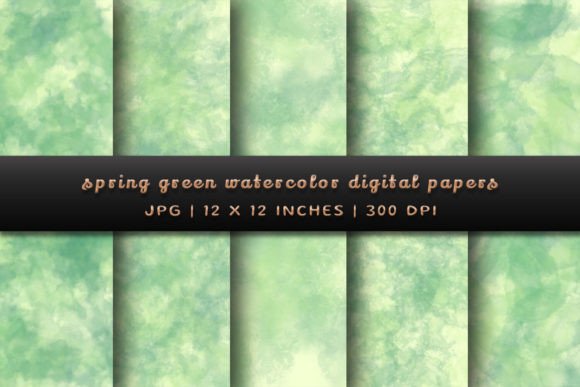
There is a specific kind of energy that comes with the onset of spring—fresh, vibrant, and full of life. Capturing that feeling digitally is often a challenge, but our Spring Green Watercolor Backgrounds manage to bottle that exact essence. These aren't just flat, static images; they are dynamic digital papers designed to mimic the organic flow and texture of traditional watercolor paint. The visual appeal lies in the interplay of light and shadow within the green hues. You will notice how the pigment pools in certain areas, creating deep, rich emerald tones, while fading into soft, translucent washes of mint and lime elsewhere. This natural variation is what gives these backgrounds their soul. Unlike a standard solid color fill, the watercolor texture adds a layer of sophistication and warmth. It feels tactile and authentic, bridging the gap between traditional art and modern digital design. The personality of this set is undeniably optimistic and calming, making it a versatile asset for anyone looking to evoke feelings of growth, renewal, and natural beauty in their work.
Strategic Applications Across Industries
Understanding where these assets fit into your workflow is key to maximizing their value. For graphic designers and brand strategists, Spring Green Watercolor Backgrounds offer a fantastic starting point for brand identity work, particularly for companies in the wellness, eco-friendly, organic food, or lifestyle sectors. Imagine a spa’s logo design or a yoga studio’s social media graphics set against these textures; the background immediately communicates a sense of tranquility and nature without a single word. It sets the stage for the typography to shine. When you use a clean sans serif font over a textured watercolor background, the contrast creates a modern, professional look that is highly readable and visually engaging.
Beyond branding, the publishing world finds immense utility here. If you are working on editorial design, such as magazine covers or feature spreads, these backgrounds can replace stark white space to add depth and mood. For self-publishers and authors, consider using these for book covers in the romance, fantasy, or nature genre. The texture adds a premium feel that standard stock photos often lack. Furthermore, the sublimation market is massive, and these files are built for it. Because they are high-quality JPG files at 300 DPI, they transfer beautifully onto physical products. Think about tote bags, ceramic mugs, or phone cases. The seamless nature of the 12x12 inch design ensures that when you tile them or use them for full-bleed prints, the result is professional and free of visible seams.
Influence on Audience Perception and Hierarchy
A background does more than just fill empty space; it dictates how the viewer interacts with the foreground content. Using Spring Green Watercolor Backgrounds influences visual hierarchy in a subtle but powerful way. Because the texture is organic and somewhat busy, it commands attention. This means your foreground elements—your headlines, logos, or calls to action—need to be bold enough to stand out. This creates a natural hierarchy where the eye is drawn to the crisp text first, supported by the emotional weight of the background.
From a psychological perspective, color theory plays a huge role here. Green is universally associated with balance, harmony, and growth. By incorporating these watercolor textures, you are subconsciously signaling to your audience that your brand or project is grounded and trustworthy. It softens the corporate edge that some designs can have, making a business feel more approachable and human. This is particularly effective for small business owners and entrepreneurs trying to build a connection with their customers. It moves a design from "transactional" to "relational."
Practical Integration and Design Guidance
Integrating these assets into your projects requires a bit of practical know-how to ensure the final product remains legible and effective. Here is how to get the most out of this collection:
- Typography Pairing: Because watercolor is inherently fluid and somewhat chaotic, pair it with structured typefaces. A bold serif font can look elegant and traditional, while a geometric sans serif font offers a crisp, modern contrast. Avoid using overly decorative script fonts for body text, as they can get lost in the texture. Save script fonts for large, isolated headers where you can increase the size for clarity.
- Opacity and Overlays: If the green is too vibrant for your specific needs, don't be afraid to lower the opacity of the background layer in your design software. You can also layer a semi-transparent white box over the background to create a "safe zone" for your text. This ensures maximum readability while keeping the artistic flair of the watercolor visible around the edges.
- Color Coordination: While the dominant color is green, look at the secondary tones in the texture. Often, watercolor washes include hints of blue or yellow depending on the light. Use an eyedropper tool to pull these subtle accent colors for your text or borders to create a cohesive color palette.
- File Management: Remember that the files come compressed in a ZIP format. Ensure you extract the files fully before attempting to upload them to your design platform or print-on-demand service. Working directly from a ZIP file can often lead to errors or corrupted uploads.
Technical Specifications for Professional Use
Quality matters, especially when your design goes to print. The specifications of these digital papers are tailored for professional output. At 12x12 inches and 300 DPI (dots per inch), these images are high resolution. This is the standard requirement for print media. If you were to use a standard web-resolution image (72 DPI) for a printed invitation or poster, the result would be pixelated and blurry. These backgrounds are specifically formatted to avoid that issue, ensuring that the watercolor textures remain sharp and the gradients smooth on paper.
The inclusion of five distinct designs in this pack allows for variety. You can use one design for the main event invitation and a complementary design for the RSVP card or thank you note. This allows for a cohesive suite of materials—a hallmark of good brand identity work. Whether you are designing wedding stationery, creating digital planners for sale, or designing packaging for a new skincare line, having multiple variations of the same color story ensures consistency across all touchpoints. It is this attention to technical detail that separates amateur projects from professional-grade design assets.